Once you’ve chosen the right event carpet, the next question is how to keep it flat, straight, and in place for the duration of your event. Tape is the most common answer — but not all carpet tape is built the same, and using the wrong kind can damage flooring, leave residue, or fail halfway through your event. This guide covers the type of tape professionals use, when tape makes more sense than staples or weights, and how to apply it correctly.
Why Tape Is the Standard for Event Carpets
Event carpets need to stay flat under foot traffic without damaging the floor underneath — whether that’s a hotel ballroom, a marble lobby, or an outdoor walkway. Tape solves this better than most alternatives because it holds the carpet in place during the event and comes up cleanly afterward, which matters since most event carpets are reused across multiple events rather than thrown away.
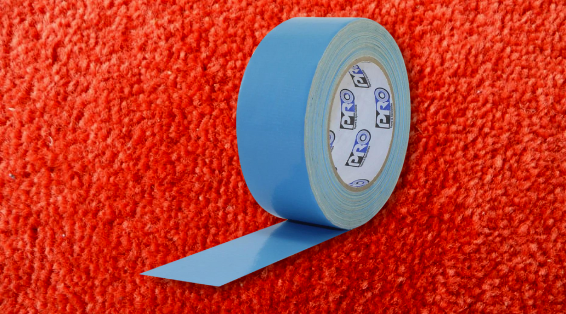
Not all double-sided tape is appropriate for this job. Tape designed for crafts, mounting, or general household use is often too aggressive (leaving adhesive residue on the floor) or not aggressive enough (letting the carpet shift under foot traffic). redcarpets.com sells a non-marking double-sided carpet tape made specifically for this use — the same tape used by museums and galleries — in 2-inch by 75-foot rolls.
Tape vs. Staples vs. Weights
There are three common ways to secure an event carpet, and the right choice depends on your venue and surface:
- Tape is the most versatile option. It works on hard flooring (marble, tile, hardwood, concrete) without damaging the surface, and removes cleanly when the event is over. This is the standard choice for indoor venues and most outdoor hardscapes.
- Staples hold carpet securely but only work on surfaces you can staple into, such as wood subfloors or grass. They leave permanent holes, so they’re not appropriate for venue flooring you don’t own.
- Weights are useful when you can’t use tape or staples at all — for example, on a surface where any adhesive is prohibited, or in windy outdoor conditions where you need extra security at the edges in addition to tape.
For most events — weddings, galas, corporate entrances, trade show booths — tape is the right call because it’s the only option that works on nearly any surface and leaves nothing behind.
Indoor vs. Outdoor: What Changes
The surface and conditions change what you need from your tape:
- Indoor surfaces (marble, hardwood, tile) are generally easier — a quality non-marking double-sided tape applied along the edges and at intervals down the length of the runner is usually enough to keep it flat.
- Outdoor surfaces (concrete, stone, pavers) introduce variables like temperature, moisture, and uneven texture. Tape needs to be applied to a clean, dry surface to adhere properly, and you may need additional tape points along the carpet’s length to account for wind or foot traffic from multiple directions.
For more on choosing a carpet built for your specific environment in the first place, see our event carpet buying guide.
How to Apply Carpet Tape Correctly
A clean application makes the difference between a carpet that stays flat all event and one that bunches or shifts. The basic process:
- Clean the floor first. Dust, dirt, or moisture under the tape will weaken the bond. Wipe the surface dry before applying any tape.
- Lay the carpet out and let it relax. Carpets that have been rolled for transport benefit from a few minutes to lie flat before you start taping, so you’re not fighting the natural curl.
- Apply tape along both long edges first. This is where most shifting starts, so secure the full length of each edge before moving to the middle.
- Add tape at intervals across the width for runners wider than a few feet, or in high-traffic areas like entrances where more people will be walking across the same spot.
- Press firmly along the full length of each piece of tape rather than just at the ends — partial contact is the most common reason tape lifts mid-event.
Common Mistakes to Avoid
A few issues come up repeatedly with event carpet installation:
- Using tape that’s too aggressive for the floor. Some adhesives can pull up finish or leave residue on delicate surfaces like polished marble. When in doubt, test a small piece in an inconspicuous area first.
- Skipping the edges. Edges lift first under foot traffic — securing the middle of a runner while leaving the edges loose is a common reason carpets shift.
- Applying tape to a dirty or wet surface. This is the single biggest reason tape fails to hold for the duration of an event.
- Removing tape too quickly after the event. Pulling carpet up immediately, rather than peeling tape slowly and evenly, increases the chance of leaving residue behind.
Putting It Together
Choosing the right tape — and applying it correctly — is what separates a carpet that holds up through an entire event from one that needs constant adjustment. For most indoor and outdoor surfaces, a quality non-marking double-sided tape applied along the edges and at regular intervals is all you need.
If you’re still working out which carpet to order in the first place, start with our event carpet buying guide. For a broader look at assembling your full event setup — carpet, backdrop, lighting, and accessories — see Setting Up Your Red Carpet Event Kit.