Events are a significant part of our lives. We attend events to celebrate, socialize, learn, and commemorate. An event’s success is determined by how well it engages its attendees, and one element that significantly influences the attendees’ engagement is the use of color. Colors have a psychological effect on people, and when used in events, they can alter attendees’ moods, perceptions, and behavior. This article explores the psychology of color and how it can be used in events to create memorable experiences.
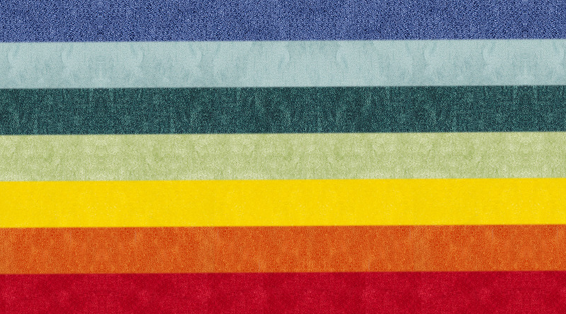
Color can influence a person’s mood, and different colors have different effects. For instance, red is associated with passion, energy, and excitement, and it is commonly used in events to create a sense of urgency or to encourage action. Blue, on the other hand, is associated with calmness, trust, and professionalism, and it is used in events to create a relaxing atmosphere or to convey a sense of authority. Yellow is associated with happiness, optimism, and creativity and is used in events to create a cheerful and stimulating environment. Green is associated with nature, growth, and balance and is used in events to create a sense of harmony and stability. Understanding the psychological effects of colors is crucial in selecting the right colors for an event.
Color is an essential branding component and plays a significant role in brand recognition and recall. When planning an event, it is important to consider the brand’s colors and incorporate them into its design. Using the brand colors in the event’s design creates a sense of familiarity and consistency, which reinforces the brand’s identity.
Red is linked to passion, energy, and excitement, and can stimulate a sense of urgency and prompt action. It is frequently employed in events to emphasize the importance and urgency of a message.
Blue is connected to a sense of calmness, trust, and professionalism and can establish a relaxed environment and convey authority. It is commonly utilized in events to promote stability and peacefulness.
Yellow is linked to joy, optimism, and creativity and can foster a lively and invigorating atmosphere that stimulates creativity and innovation. It is frequently employed in events to generate a sense of excitement and fun.
Green is connected to nature, growth, and equilibrium and can establish a sense of balance and stability. It is commonly used in events to promote sustainability, health, and wellness.
Purple is linked to luxury, sophistication, and creativity and evokes enigma and curiosity. It is frequently utilized in events to create an elegant and exclusive ambiance.
In conclusion, color psychology plays a significant role in event planning. Understanding the psychological effects of colors can help event planners create memorable experiences for attendees. By using the right colors, event planners can alter mood, perception, and behavior, create brand identity, create a theme, and enhance the overall impact of an event. Therefore, it is crucial to consider the psychological effects of colors and use them strategically when planning an event. By doing so, event planners can create an atmosphere that engages attendees and leaves a lasting impression.
Red Carpets leads the industry as a top provider of step repeat packages, custom event backdrops & carpets in any size and color. With our products, you can experience an unparalleled red carpet-party. Don’t hesitate to contact us today for pink runway carpet needs.