The red carpet is no longer just an event accessory—it is a cultural symbol. In 2026, the red carpet runway represents recognition, storytelling, and visual authority across industries. While its modern association is rooted in fashion and celebrity, the red carpet’s history spans centuries, evolving from royal tradition to a global design language.
Understanding where the red carpet began—and how it has transformed—reveals why it still holds power today.

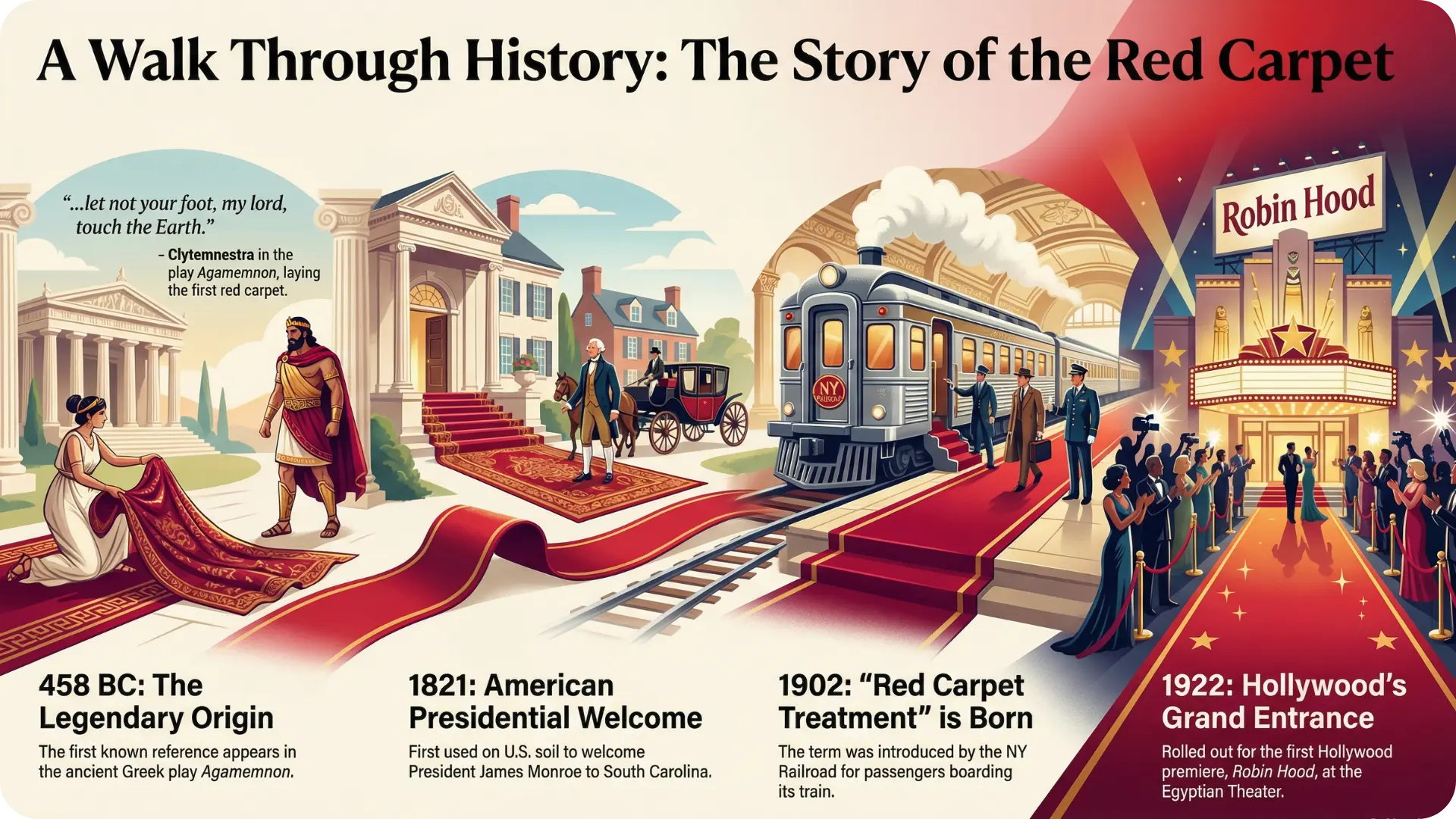
The earliest recorded use of a ceremonial red carpet dates back to ancient civilizations, where crimson textiles symbolized wealth, divinity, and authority. Red dyes were rare and expensive, reserved exclusively for royalty and religious figures.
Rolling out a red carpet was not decorative—it was a declaration. It signaled that the individual walking upon it was worthy of honor, protection, and distinction.
This idea of a “designated path of importance” remains central to red carpet use today.
As societies evolved, the symbolism followed. By the 18th and 19th centuries, red carpets began appearing in formal civic and theatrical spaces. Opera houses, theaters, and government buildings used red carpeting to guide dignitaries and performers through entrances meant to feel elevated and ceremonial.
The carpet became a visual cue:
That foundation would soon be amplified by mass media.

The red carpet’s modern identity was shaped in the early 20th century with the rise of cinema. Film premieres and award ceremonies adopted the red carpet as a formal arrival experience, turning entrances into spectacles.
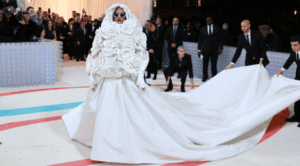
By the time events like the Academy Awards gained global attention, the red carpet had evolved into a runway—where fashion, personality, and branding converged. Cameras transformed the carpet from a functional pathway into a stage.
From that moment on, the red carpet was no longer just walked—it was performed.
As red carpet imagery became synonymous with prestige, its use expanded rapidly.
Today, red carpet runways appear at:
The meaning shifted slightly, but the message stayed the same: this experience is elevated.
In 2026, red carpets are just as likely to welcome CEOs, creators, couples, and communities as they are actors and designers.
Today’s red carpet runway is intentional by design. It is planned with photography, branding, and flow in mind.
Modern red carpets are:
They guide movement, frame moments, and create visual continuity across physical and digital spaces.
In a social-first world, the red carpet is now part of content strategy as much as event design.
Despite changing trends, the red carpet endures because it taps into something universal: recognition.
It:
No other design element communicates status and ceremony as instantly or globally.
What began as a royal privilege has become an inclusive symbol of celebration and achievement. The red carpet runway continues to evolve—adapting to new audiences, industries, and aesthetics—while preserving its original purpose.
In 2026, rolling out the red carpet is still a powerful act. It tells every guest, participant, or viewer one simple truth:
This moment matters.